




The pressures facing consumers today are becoming increasingly complex. From economic uncertainty and geopolitical instability to climate change and rapid technological disruption, many of the forces shaping modern life are also influencing physical and mental wellbeing. Health experts say this growing reality is turning self-care from a wellness trend into an essential tool for building resilience and protecting long-term health.
According to healthcare professionals, self-care is no longer simply a wellness trend or occasional indulgence. Instead, it has become an essential strategy for building resilience in an increasingly demanding and unpredictable world.
“We are carrying demanding careers, family responsibilities, financial pressure, uncertainty and the constant noise of a world that rarely switches off – and somewhere along the way, our own health often falls to the bottom of the list,” says Kelly Widdop, Consumer Health Cluster Division Head for Bayer in Sub-Saharan Africa.
“That is where self-care becomes so important. It is not an indulgence; it is an essential part of how we build healthier lives and more resilient communities.”
The call comes as mental health concerns continue to rise globally. The World Health Organisation (WHO) estimates that depression and anxiety cost the global economy approximately US$1 trillion annually in lost productivity, while around 12 billion working days are lost every year due to poor mental health.’
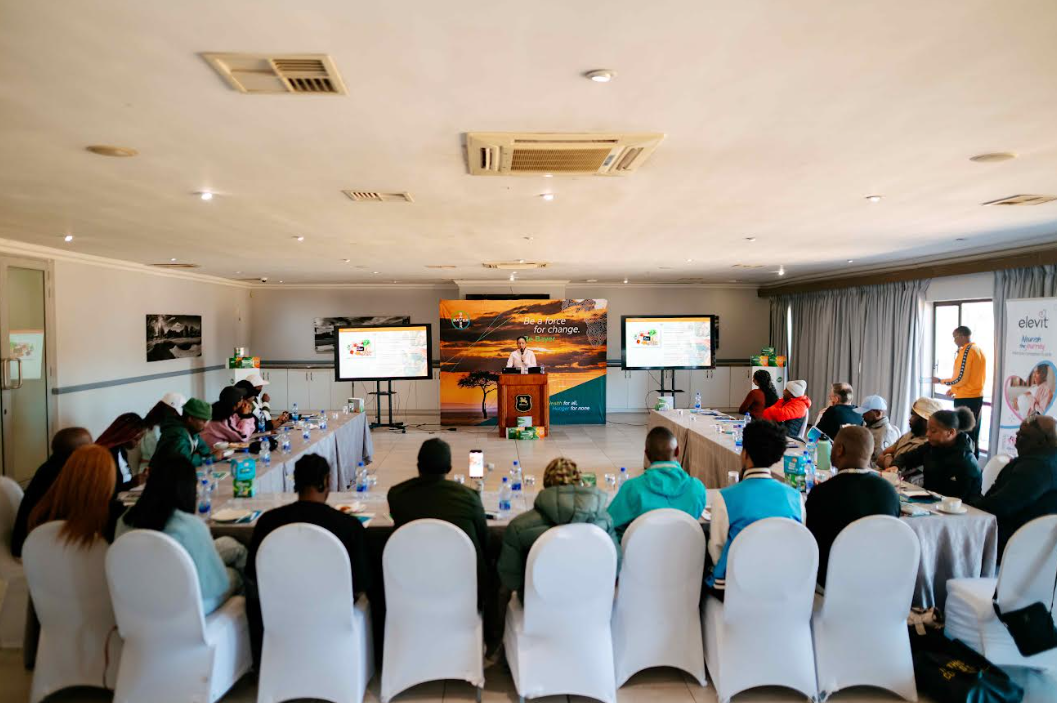
Factors such as job insecurity, rising living costs, financial pressures and increasingly demanding workplaces are contributing to growing levels of stress, anxiety and burnout.
Against this backdrop, healthcare professionals are encouraging people to focus on practical lifestyle choices that can improve overall wellbeing and help manage external pressures.
“The world is changing faster than ever before,” says Dr Renissa Naidoo, Consumer Health Medical Lead for South East Africa at Bayer. “Whether it is the cost-of-living crisis, climate change, changing patterns of disease or uncertainty in the workplace, these factors can all affect our mental and physical wellbeing. While we cannot control many of these external pressures, we can control the daily decisions that help build resilience.”
Climate change is also emerging as a growing public health concern. Beyond its physical effects, the WHO has warned that climate-related events such as floods, droughts, extreme heat and displacement can significantly impact mental health, increasing stress, trauma and anxiety among affected populations.
Health experts emphasise that simple daily habits can have a significant impact on long-term health outcomes. These include maintaining a balanced diet, engaging in regular physical activity, getting sufficient sleep, managing stress effectively and seeking medical advice when symptoms persist.
Research continues to show that these behaviours contribute to stronger immune systems, improved mental health and a reduced risk of chronic disease.
However, maintaining a healthy lifestyle remains a challenge for many South Africans. Data from the South African National Health and Nutrition Examination Survey reveals that approximately 75% of South African adults have poor diet quality, while only 12.5% meet recommended dietary guidelines.
Economic pressures often play a significant role, with lower-income households frequently forced to prioritise affordable foods over nutritionally balanced options. This can result in diets that are high in processed foods, sugars and fats, while lacking essential nutrients found in fruits, vegetables, dairy products and quality protein sources.
“Self-care is often misunderstood as an occasional indulgence,” says Dr Naidoo. “In reality, it is about making consistent, evidence-based decisions that support both physical and mental health over time. The small choices we make every day have a cumulative impact on our long-term wellbeing.”
Healthcare experts are also warning consumers about the growing risk posed by counterfeit and substandard medicines, particularly as online shopping continues to expand.
According to the WHO, more than one in ten medicines circulating in low- and middle-income countries are estimated to be substandard or falsified. These products may contain incorrect ingredients, improper dosages or no active ingredients at all, potentially placing consumers at serious risk.
As a result, experts are urging South Africans to purchase medicines, vitamins and supplements only from trusted pharmacies, licensed retailers and reputable healthcare providers.
“When consumers purchase healthcare products from legitimate, trusted sources, they are helping ensure those products meet the appropriate quality standards and have been correctly stored, transported and dispensed,” explains Dr Naidoo. “That confidence is an important part of effective self-care.”
As South Africans continue to navigate a rapidly changing world, healthcare professionals believe self-care is increasingly becoming about prevention rather than reaction. By adopting sustainable healthy habits and making informed healthcare decisions, individuals can take meaningful steps towards protecting their long-term health and wellbeing.
“In an increasingly uncertain world, self-care is no longer a luxury – it is an essential investment in long-term health and wellbeing,” concludes Dr Naidoo. “By building sustainable healthy habits and ensuring healthcare products are purchased from trusted sources, South Africans can take practical steps to protect themselves and their families.”