






- Blurred Lines in Cyber Warfare: Dr. Jaya Baloo explained at the Singularity Summit how global conflicts are increasingly moving online, involving both state actors and cybercriminals in devastating cyberattacks that blur the lines between military operations and civilian activities
- Ransomware on the Rise: With over 600 types of ransomware threatening businesses, Dr. Baloo emphasized the vulnerability of small- and medium-sized organizations, urging them to adopt multi-factor authentication, regular data backups, and reliable security solutions.
- Call for Collaboration: To better defend against growing cyber threats, Dr. Baloo advocated for improved transparency and threat-sharing across organizations, governments, and individuals, stressing that cybersecurity is no longer just an IT issue but a societal one.
SNEAKER FACTORY LAUCHES NEW URBAN CLOTHING LABEL APX
At the SingularityU South Africa Summit 2024, cybersecurity took center stage, with experts emphasizing the need for a multi-pronged defense strategy. Attendees were reminded that in today’s digital age, it’s crucial to implement strong authentication, regularly back up data, raise security awareness, and foster collaborative threat-sharing between organizations to protect the increasingly vulnerable digital landscape.
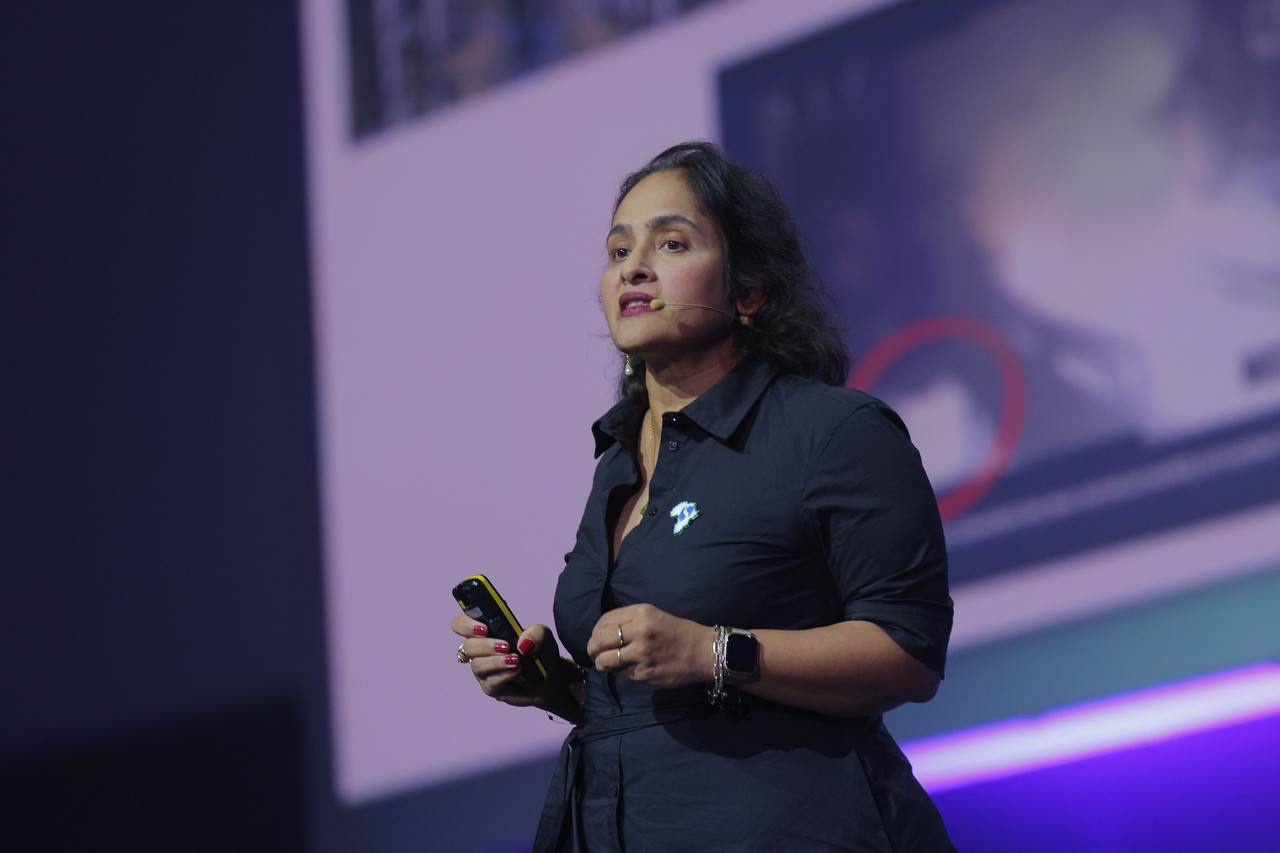
One of the highlights of the event was a talk by world-renowned cybersecurity expert and Chief Security Officer at Rapid7, Dr. Jaya Baloo. Returning to the summit for yet another year, she delivered her much-anticipated presentation, “Cybersecurity for Our Future: Innovating Tomorrow by Securing Today.” Over the past six years, her insights have consistently drawn large audiences, and this year, the summit, held in collaboration with Old Mutual, was no exception.
Dr. Baloo explained how the lines between cybersecurity, military operations, and everyday civilian life are becoming increasingly blurred. “Global conflicts that used to be limited to traditional warfare are now turning into cyber wars, with regular civilians getting involved,” she said. Citing recent examples, such as the involvement of hacker groups like Anonymous in the Israel-Hamas conflict and the recruitment of cybercriminal gangs by Russia for state-sponsored hacking, she highlighted how hard it has become to distinguish between state actors and cybercriminals. “It’s hard to tell these days whether the attackers are state actors, cyber criminals, or a combination of both,” she added.
One of the more alarming trends Dr. Baloo discussed is the ease with which distributed denial-of-service (DDoS) attacks can be launched. Because “the internet was never built with security in mind,” these attacks are all too common, with serious real-world consequences. She reminded the audience of infamous incidents, such as the Stuxnet attack on an Iranian nuclear facility in 2010 and the 2015-2016 attacks on Ukraine’s energy grid, which caused nationwide blackouts. These events demonstrate the very real damage that cyber warfare can inflict.
According to Europol’s Internet Organised Crime Threat Assessment, ransomware has been the single biggest threat to organizations over the past five years. With over 600 different types of ransomware in existence, small- and medium-sized businesses are especially vulnerable, as the financial fallout of a data breach in South Africa can range from R100,000 to R10 million. Given these risks, a comprehensive cybersecurity approach is crucial, not only for organizations but for individuals as well.
A Big Day Out for 90s Music Lovers: FESTIVAL FEVER
Dr. Baloo stressed the need for governments to hold vendors accountable for creating secure-by-design products. She also shared several actionable cybersecurity tips:
- Use multi-factor authentication and passkeys on all devices and online accounts.
- Regularly back up data, both online and offline, to protect against ransomware attacks.
- Choose a trustworthy antivirus or endpoint detection and response (EDR) solution.
- Focus on security awareness, ensuring visibility and rapid response to threats.
- Diversify vendors and suppliers to bolster cybersecurity resilience.
- Promote better threat and incident sharing across organizations to foster transparency and improve collective security responses.
In her closing remarks, Dr. Baloo underscored the urgency of the issue: “We need to change the odds in our favour. Cybersecurity is no longer just an IT problem – it’s a critical issue that affects us all, and we need to work together to fix it.”
With threats becoming more sophisticated, the message was clear: securing our digital future requires innovation, collaboration, and vigilance.
For more information regarding the Singularity Summit and live updates, follow Singularity South Africa on social media https://www.instagram.com/singularityusouthafrica/ or https://x.com/SUSouthAfrica